Paws on the Summit: A Practical Guide to Bagging Hills With Your Dog
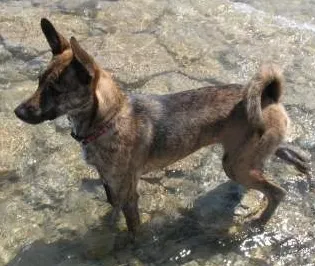
Photo: Aechris at English Wikipedia, CC BY-SA 3.0, via Wikimedia Commons
There's a reason your dog never complains about the weather, the midges or the fact you took the wrong path at the last junction. For them, every hill day is the best day of their life, repeated on loop. But while a dog will happily follow you anywhere, it's on you to make sure 'anywhere' is actually a good idea.
Peak-bagging with a dog isn't just walking with extra company — it changes how you plan, what you carry and when you turn back. Done properly, it's the finest partnership in British hillwalking. Done badly, it's a vet visit waiting to happen.
Know the Rules Before You Go
The single biggest mistake dog-owning hillwalkers make is assuming every hill is open access. It isn't. In England and Wales, much of the upland access land welcomes dogs, but restrictions apply — particularly during lambing (roughly March to July) and on grouse moors from 1 March to the end of the shooting season in December, when dogs must be on a short fixed lead, no exceptions.
In Scotland, the Land Reform Act gives you broader rights almost everywhere, but 'right to roam' comes with the responsibility to keep your dog under close control near livestock, sheep especially. A dog worrying sheep isn't a nuisance — it's a criminal offence, and farmers can shoot dogs worrying livestock. Harsh, but true.
The practical takeaway: check the access rules for your specific hill before setting off, carry a lead even if your dog is recall-trained, and treat livestock encounters as non-negotiable lead-on moments.
Water, Water Everywhere (Except Where You Need It)
Dogs can't carry their own water, so you're hauling it — or planning around it. A working rule of thumb: on warm days, budget around half a litre per 10kg of dog for a solid hill day, and don't rely on streams. In the Peak District and the Yorkshire Dales, many upland watercourses run dry or carry agricultural runoff that can upset even the hardiest stomach.
Carry a collapsible bowl (they weigh nothing) and offer water little and often rather than one big gulp at the top. Overheating is a genuine risk for flat-faced breeds like Labs' shorter-muzzled cousins — pugs, French bulldogs and the like struggle in heat long before you feel it. On hot days, pick shaded routes and start early.
Paws, Pads and Rough Ground
Your boots have Vibram soles. Your dog has pads, and after six hours on scree, gritstone or frost-shattered rock, those pads take a hammering. Check them at rest stops — look for worn patches, splits or grit wedged between toes.
A small tin of paw balm lives in my pack permanently, and some owners swear by dog booties for long, sharp routes. Be honest with yourself: most dogs hate booties and will walk like they've got comedy shoes on. Better to build up pad toughness with regular outings than to rely on kit your dog will kick off in a huff.
Know When the Descent Is Too Much
Here's the bit nobody wants to hear: the walk up is easy on a dog. It's the walk down that wrecks them — particularly steep, rocky descents that load the front legs and punish ageing joints. A nine-year-old collie might trot up Pen-y-ghent with joy and limp back to the car in silence, because dogs mask pain by instinct.
If your dog is getting older, pick hills with gentler descents, break steep sections into short stages, and watch for tell-tale signs on the drive home: stiffness getting out of the boot, reluctance on stairs the next day, a dog who's suddenly 'not bothered' about the next walk. That last one is a red flag, not a mood.
Five Dog-Friendly Hills to Start With
- Mam Tor, Peak District — Short, scenic and sheep-free on the ridge itself in many months. Easy parking, big views, and a brilliant first 'proper hill' for younger dogs.
- Pen-y-ghent, Yorkshire Dales — One of the gentler Yorkshire Three Peaks, with a dog-friendly route from Horton. Mind the short rocky scramble near the top.
- Haystacks, Lake District — Wainwright's favourite, with the bonus of Innominate Tarn near the summit for a doggy paddle. Steep in places; best for fit dogs.
- Conic Hill, Loch Lomond — A short, sharp leg-stretcher with a monstrous view down the loch. Perfect half-day outing.
- Moel Famau, Clwydian Range — Solid paths, no livestock issues on the main route, and a proper sense of summit achievement for North Wales weekenders.
Finish With a Summit-Free Swim
The best dog days end in water. A wild swim (or a dog-paddle, at least) is the perfect cooldown — and Britain is spoiled for choice. Try Blea Tarn in the Lakes, the shallows of Loch Lomond's eastern shore, or the River Wharfe's pools near Burnsall in the Dales. Keep dogs away from stock watering spots, rinse off muddy legs before the drive, and accept that your car seats will never recover.
The Honest Bottom Line
A dog won't care whether the hill you've climbed is a Munro, a Marilyn or a molehill with views. They care about the day — the smells, the streams, the shared flapjack (which, to be clear, they shouldn't have; chocolate and raisins are toxic, so pack dog-safe treats). But somehow, having a wet nose at your elbow when the cloud lifts and the whole valley opens up below you makes the summit mean more, not less.
Chase summits. Conquer Britain. Preferably with a dog in the passenger seat and a towel on the back one.