Gravity Doesn't Care About Your Trig Point Selfie
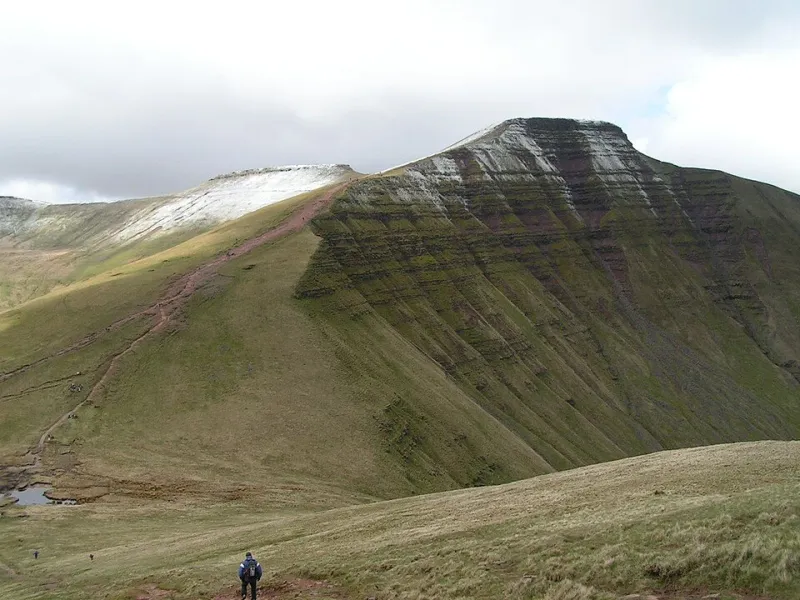
There's a photo on my phone from the top of Pen y Fan last spring. Big grin, bit of windburn, the usual. What that photo doesn't show is what happened forty minutes later, when I took a tumbling slide down a grassy slope I'd bounced up without a second thought that morning.
Nothing broken, thankfully. But it got me thinking about a truth every mountain rescue team knows and most hillwalkers ignore: the downhill is the danger.
The Numbers Don't Lie
Ask anyone who's served on a rescue team in Snowdonia, the Lakes or the Scottish Highlands where the casualties come from, and you'll hear the same thing again and again. Not the summit push. The walk out. Slips on descent, twisted ankles on tired legs, knee injuries that turn a pleasant day into a stretcher job.
It makes sense when you think about the physics. On the way up, you're working with gravity — controlled, deliberate, eyes on the ground. On the way down, gravity is working on you. Every step is essentially a controlled fall, and every stride loads your joints with several times your body weight. Add fatigue, a bit of wet rock and the mental glow of a bagged summit, and you've got a recipe.
Your Knees Are Keeping Score
The downhill is brutal on the old knee joints. Descending places enormous stress through the kneecap and surrounding tendons — far more than climbing does — which is why so many hillwalkers hobble back to the car muttering about their knees when the ascent felt fine.
A few things genuinely help:
- Slow down. Counterintuitive, but short, quick steps absorb impact far better than long loping strides.
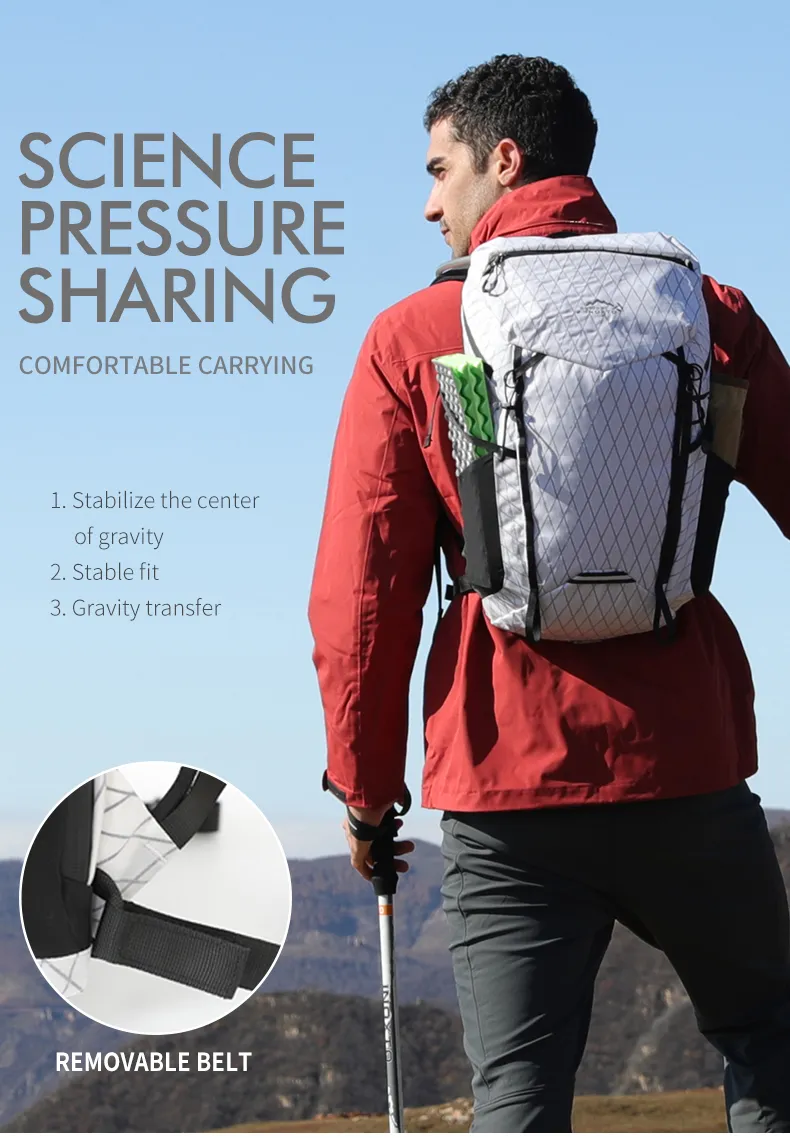
- Use poles properly. Poles aren't just for the climb. On descent, plant them slightly ahead and let your arms take a proper share of the load. A pole-length longer than you'd use uphill is about right.
- Point your toes downhill on steep ground. Side-stepping or facing the slope beats trying to walk backwards down something sketchy with your boots' heels doing the braking.
The Tired-Leg Problem
Here's the bit nobody wants to admit: by the time you're descending, you've already used up your best judgement. You've been out for seven hours, you've had your sandwich at the top, and your legs are running on fumes. That's precisely when the ground gets loose, the light gets flat, and the decisions get sloppy.
Mountain rescue call-outs spike in the late afternoon for a reason. The summit tick feels like the finish line, but it isn't. You're only halfway done when you turn around — and the second half is the sketchy half.
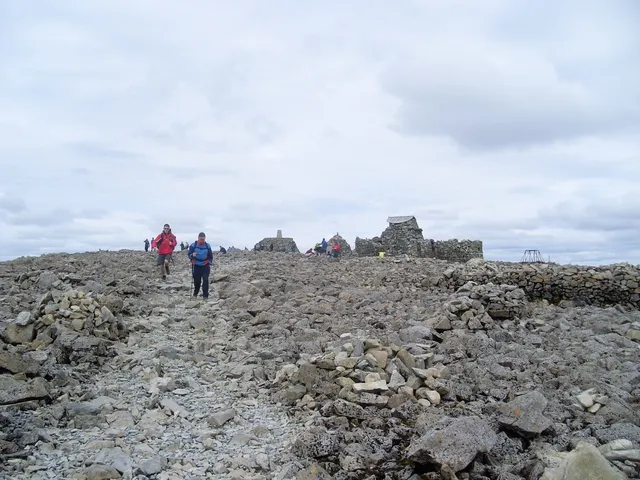
So build the descent into your day properly. If your route has a long, steep drop off a big hill — think the descent from Helvellyn via Striding Edge's exit path, or the knee-grinder off Ben Nevis via the mountain track — plan a proper rest before you start down. Five minutes, a mouthful of food, a layer on. It sounds fussy. It works.
Earning the Tick
Peak-baggers love a list. Wainwrights, Munros, Marilyns, Nuttalls — the tick is the reward. But I'd argue the tick isn't really earned at the trig point. It's earned back at the car, safe and sound, with knees intact and a story worth telling.
The summit is the photo opportunity. The descent is the exam. And the walkers who keep bagging hills decade after decade are the ones who've learned to treat the downhill with the same focus they give the climb.
A Quick Descent Checklist
Before you drop off that last summit of the day:
- Check the ground. Wet grass, greasy rock and scree deserve full attention — put the phone away.
- Extend those poles and actually use them.
- Add a layer before you get cold; descending is when the shivers creep in.
- Reassess the route. If that shortcut down looks steeper than it did on the map, it probably is.
- Slow down. The car park isn't going anywhere.
The hills will still be there next weekend. Your knees, hopefully, will too — but only if you give the downhill the respect it's been quietly demanding all along.