Legs Like Jelly, Judgement Gone: The Hidden Peril of the Walk Down
Photo: Grand Canyon National Park, Public domain, via Wikimedia Commons
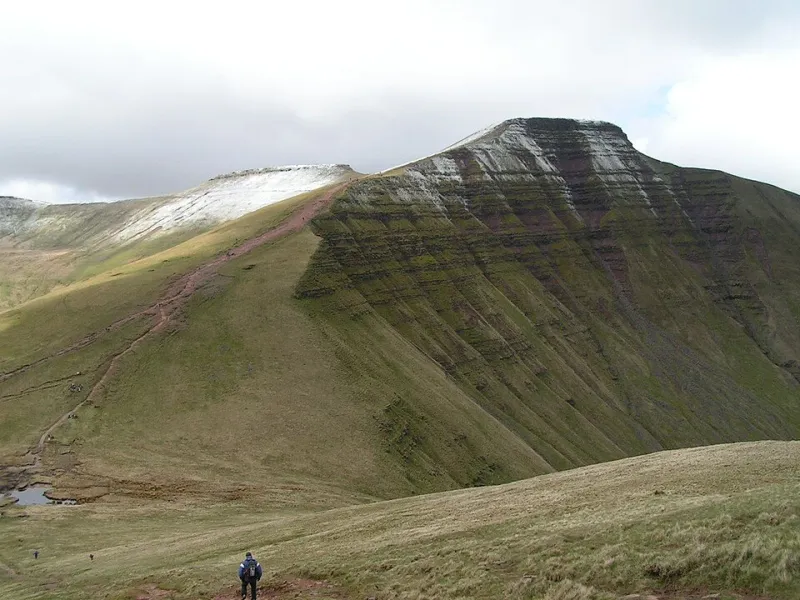
There's a moment on every big British hill day that we've all experienced. You've tagged the summit, taken the photo, maybe rewarded yourself with a squashed pork pie from the top of your pack. And then you turn around and look down several hundred metres of rough, wet, ankle-breaking ground and think: oh. That's the bit that actually hurts.
We're a summit-obsessed bunch, us peak-baggers. Trig points logged, Wainwrights ticked, Munros counted. But here's the uncomfortable truth that the numbers keep shouting at us: the way up is rarely the problem. The way down is where it goes wrong.
The Statistics Don't Lie
Talk to anyone in mountain rescue and they'll tell you the same thing. Anecdote after anecdote from teams across Snowdonia, the Lakes and the Scottish Highlands points the same way: a large share of callouts happen on descents, in the afternoon, to walkers who made it up just fine.
Why? A few things stack up against you on the way down.
Your knees take a hammering. When you walk downhill, the forces through your knee joint can reach several times your body weight, and unlike on the flat, your muscles are working eccentrically — lengthening under load — to control the braking. That's the type of work muscles fatigue fastest. By hour six, your quads simply aren't absorbing shocks the way they were at the trailhead.
Gravity is doing your thinking for you. On the ascent, every step is deliberate. On the descent, momentum carries you, and if you're tired, that momentum outruns your reactions. Slips on grass, scree and wet rock — the classic UK descent surface — are almost always a case of weight in the wrong place at the wrong time.
Your brain clocks out. There's a psychological element too. The summit feels like the finish line, but it isn't. Concentration dips, the phone comes out, and suddenly you're picking a line down a steep hillside with half your attention. Combine that with fading light — because descents so often happen late in the day — and you've got a recipe.
Technique: Learn to Walk Downhill Properly
The good news is that descending is a skill, and like any skill, it can be trained.
Shorten your stride. The single most effective change most walkers can make. Long, reaching steps put your centre of gravity behind your feet and invite slips. Short, quick steps keep you over your base of support and in control. Think of it as a controlled shuffle on steep ground rather than a confident stride.
Point your toes slightly out and down. On steep slopes, angling your feet lets you use the edge of your boot for grip rather than relying on a smooth, wet sole. On scree, look for the rhythm of the slope rather than fighting it.
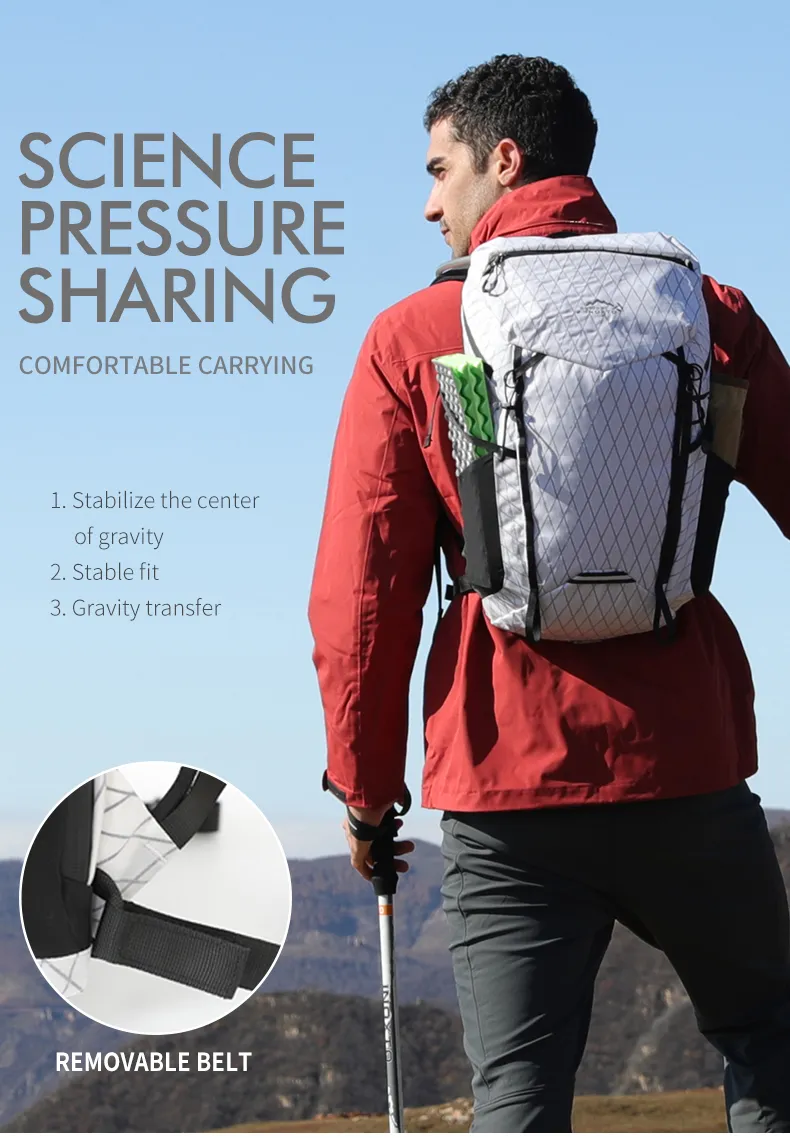
Use your poles — properly. Poles aren't just for the climb. On descents they take genuine load off your knees and, crucially, act as a third and fourth point of contact on greasy ground. Extend them slightly longer than you would for the uphill, plant them ahead of you, and let your arms share the braking work.
Slow down before it gets steep, not during it. The most dangerous moment on many descents is the transition from gentle path to serious ground. That's when momentum has already built. Ease off early, and pick your line before you're committed.
Kit That Earns Its Place on the Way Down
Footwear matters more than you think. A stiff-ish sole with decent edging and a sticky rubber compound makes an enormous difference on wet Lakeland rock or Welsh grass. If your boots are worn smooth at the toe — a telltale sign of a descent-heavy walker — you're running on borrowed grip. Replace them before the rubber gives up, not after.
Look after your quads. If you've got a big multi-peak day planned, train eccentric strength beforehand: downhill walking on your local hill, step-downs, squats. Your knees will thank you on day two.
Keep the navigation alive. Descent is when people stray off line, especially in cloud or fading light. Check the map on the summit, not halfway down when you're already uncertain. Know where your escape routes are.
Respect the Round Trip
None of this is meant to put you off. It's the opposite: the descent is half your hill day, and it deserves half your respect. Treat it as part of the challenge rather than the cooldown, and you'll walk off more mountains feeling strong — and keep bagging peaks for decades to come.
The summit is the photo. The descent is the proof that you know what you're doing.