Ten Hours, One Revelation: What a Ruthless Pack Audit Actually Taught Me About Weight
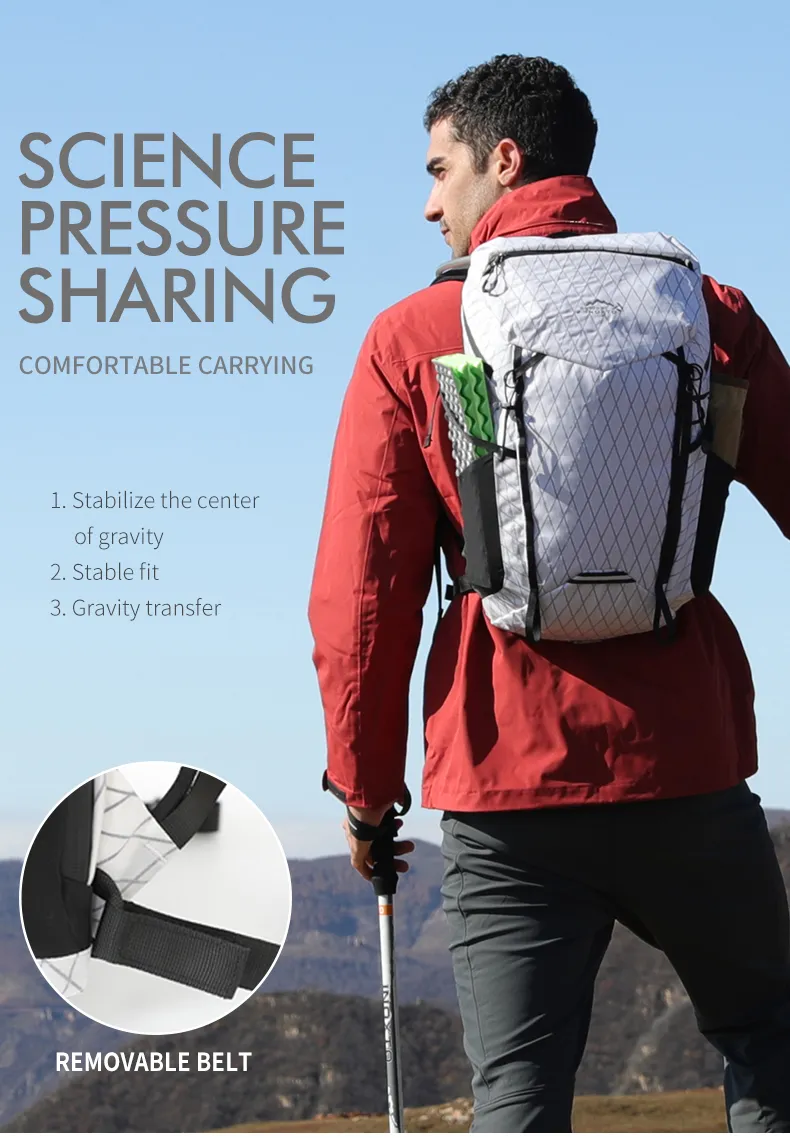
Photo: hiker lightweight rucksack mountain ridge UK Lake District, via ae01.alicdn.com
There's a moment about seven hours into a long mountain day when your shoulders start filing formal complaints. That's usually when the ultralight evangelists start whispering in your ear: you could be carrying 3kg less, you know.
They're not wrong. But they're also not always helpful. So we decided to run a proper experiment: take one walker, one well-loved but frankly bloated day pack, and audit it down to the last Jaffa Cake wrapper. Then do a big, brutal day in the hills and see what actually changed.
The Before: A Pack Built by Anxiety
Our volunteer, a reasonably experienced Lake District regular, weighed in at a base weight of 9.8kg — before water, food, and the flask she'd forgotten she was carrying. For a day walk. Let that sink in.
Where did it all go? A full-size DSLR 'just in case'. Three first aid kits (one per pocket, apparently). A 1.5kg waterproof jacket from 2011. A spare fleece, spare socks, spare everything. A guidebook. A full Nalgene and a bladder. Rope, because you never know.
The total damage: 9.8kg of base weight. Most of it driven by one emotion — fear of being caught out.
The Audit: Three Questions Per Item
We went through everything with a ruthless framework. Every item had to answer yes to at least one:
- Will I genuinely use this today? Not 'might'. Will.
- Does this do two jobs? A buff is a hat, a face covering, a pot holder and an emergency sling. A tripod is a tripod.
- What happens if I don't have it? If the honest answer is 'I'll be a bit chilly', it stays behind.
The camera went, replaced by a phone. Two first aid kits went, one sensible compact one stayed. The 2011 waterproof was swapped for a modern shell a third of the weight. The guidebook became a GPX track. The rope — mercifully — went. The Nalgene went; the bladder plus one 500ml soft bottle covered it.
New base weight: 6.1kg. A saving of 3.7kg without spending a penny on new gear, beyond the shell jacket she'd have bought eventually anyway.
Budget Tiers: What the Numbers Look Like Across the Board
You don't need to remortgage to get light. Here's roughly how it shakes out across three budgets for a UK three-season day setup:
The charity shop starter (7–9kg): Second-hand rucksack, supermarket fleece, budget waterproof, standard tent pegs of a first aid kit rattling in a tin. Perfectly safe, genuinely heavy. Most walkers start here and that's fine — you can't audit gear you don't own yet.
The sensible middle (5–6.5kg): A modern 25–30L pack under 1kg, a proper shell under 300g, a compact med kit, decanted toiletries, phone for navigation with a paper backup. This is where the biggest pound-for-pound wins live. Total outlay if starting fresh: £300–£500, much less if upgrading gradually.
The serious setup (4–4.5kg): Cuben-fibre-adjacent pack, 200g shell, titanium everything, a stove that weighs less than a chocolate bar. Diminishing returns, eye-watering receipts. Wonderful, but the jump from 6kg to 4.5kg is nowhere near as noticeable as 9kg to 6kg.
That last point is the whole article, really: the first kilos you shed hurt the most in your pack and matter the least in your budget.
The Verdict on the Hill
The 10-hour day was a Lakeland round with nearly 2,000 metres of ascent — the kind of outing where the old pack would have left her wrecked by hour six.
The honest findings? The 3.7kg saving was transformative on the climbs and on the descents, where a lighter load meant steadier footing on tired legs. She finished with something left in the tank and, crucially, enjoyed the last hour instead of enduring it.
What mattered most, in order: the waterproof swap, ditching the spare everything, and the camera. What she missed: literally nothing. What she'd add back: a proper sit mat, because comfort isn't all about grams.
The 5kg Rule, Sort Of
The ultralight crowd will tell you 4.5kg is the magic number. We'd argue something more useful for normal British hillwalkers: if your day pack base weight is under 6.5kg for three-season conditions, you've crossed from 'survivable' into 'enjoyable' territory. Below that is a hobby in itself.
Start with an audit, not a shopping basket. Your shoulders — and your bank balance — will thank you around hour seven.