Tick Boxes and Trig Points: What Are We Actually Chasing Up There?
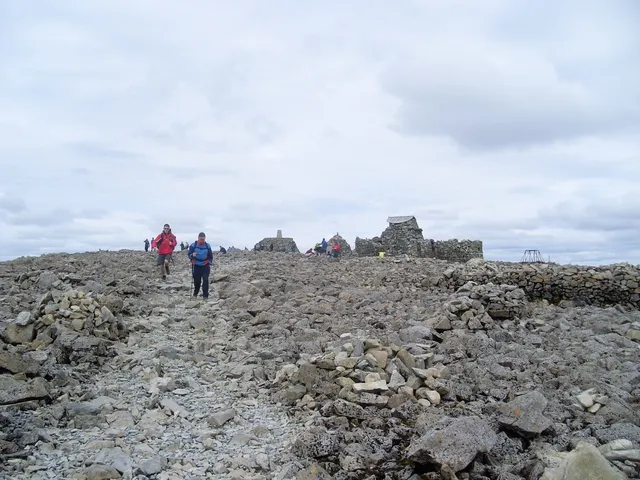
Photo: Stephen Sweeney, CC BY-SA 2.0, via Wikimedia Commons
There's a moment familiar to every Munro-bagger: you're 45 kilometres into a sodden ridgeline, knees complaining, and someone asks why you're doing this. If you're ticking off a list, the answer is easy. Number 143 of 282. Job's a good'un. But is that answer — the tidy, spreadsheet-friendly one — slowly hollowing out what hillwalking is actually about?
The Rise of the Tick
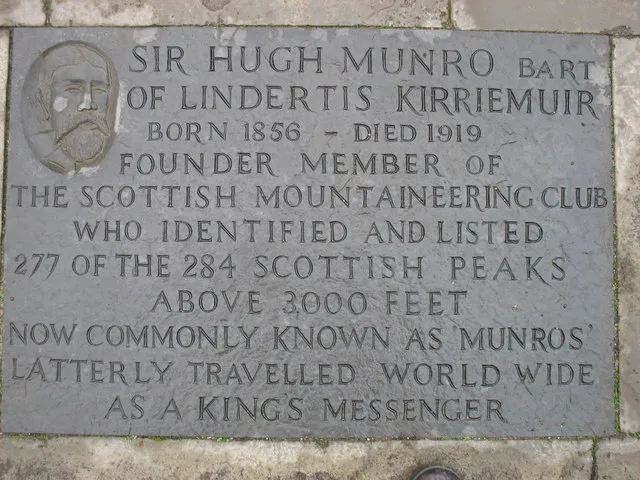
Peak-bagging isn't new. Munro's tables date back to 1891, and Wainwright was scribbling his Pictorial Guides while most of us were still decades from being born. What is new is the infrastructure of ticking. Phone apps that log your ascents to the metre. Online registers where your tally sits on a public leaderboard. Facebook groups where completing the Wainwrights earns you a certificate and, if you're quick, a round of applause from 4,000 strangers.
For some, this is the golden age of British hillwalking. For others, it's a slow-motion tragedy.
The Case for the List
Speak to list-completers and the defence is remarkably consistent: the list gets them out the door.
"I'd never have found the Monadhliath without the numbers," says one completer we spoke to, halfway through a second round of Munros. "Everyone bangs on about them being boring, featureless lumps. But I've had days up there — proper silence, no one for hours — I'd never have experienced if I'd only chased the 'good' hills."
There's something in that. Lists push walkers off the honey pot trails, into the Grahams, the Deweys, the Nuttalls nobody writes poems about. A tick list, oddly, can be a gateway to the wilder corners of Britain.
And let's be honest about the alternative gatekeeper: nothing. Plenty of people would simply never go hiking without a goal. Motivation is a finite resource, and a spreadsheet is a perfectly legitimate way to manufacture some.
The Case Against
The critics aren't Luddites, though. Their worry is subtler: that when the hill becomes a checkbox, the walk becomes a commute.
You've seen it. The summit photo taken before the view's even been looked at. The route chosen not for the ridgeline but for the shortest path between ticks. The walker who arrives at a glorious viewpoint and immediately turns around, because the next target is calling.
There's a mindfulness argument too. Part of hillwalking's appeal — the thing people are increasingly desperate for — is aimlessness. Wandering. Letting the weather decide. A day with no objective other than being out there. You can't put that on a leaderboard, and you can't monetise it either, which is perhaps why the apps don't push it.
So Who's Right?
Here's the thing: this might be a false argument. The dichotomy between the ticker and the wanderer is mostly a straw man. Most hillwalkers do both. A list-heavy summer chasing Munros, then a slow autumn of aimless strolls with a flask and no plan. The tick and the trudge aren't enemies; they're seasons.
The real risk isn't ticking — it's only ticking. If every walk is a transaction, every summit a receipt, then yes, something's lost. But that's a personal habit problem, not a hillwalking crisis.
If you're feeling the checklist squeeze, a few gentle resets:
- Leave the phone in the pack on one walk a month. No logging, no tracking. Just walking.
- Revisit a hill you've already ticked. Ticking's obsession with novelty can blind you to how different a favourite summit looks in winter.
- Walk a route for the route. A long ridge, a round of fells — chosen for the journey, not the summit count.
Room for Everyone
Britain's hills are big enough for the baggers and the bimblers alike. The Munroist with their 282 and the rambler who's been walking the same three fields for thirty years are both doing it right. The hills don't care how you count them — or whether you count at all.
Chase summits by all means. Just make sure you occasionally stop at the top long enough to actually be there.