Zero to Munroist: Your First Steps Towards Scotland's 282
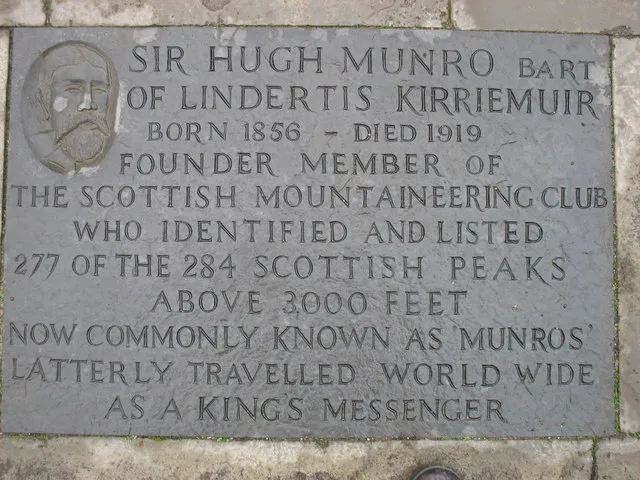
Photo: David Purchase, CC BY-SA 2.0, via Wikimedia Commons
Every Munroist remembers their first. The moment you tick off Ben Lomond or Ben Vorlich and think, casually, dangerously: I wonder how many of these there are? The answer, as you probably know, is 282. And the road to the full set has consumed the weekends, savings and marriages of hillwalkers for over a century.
But here's the thing nobody tells you: becoming a Munroist isn't a heroic act of madness. It's a habit. And habits can be built.
Start Where the Crowds Don't
Your instinct will be to begin with the famous ones — Ben Nevis, the Cairngorm giants, maybe a cheeky Glencoe classic. Resist. Cutting your teeth on the crowded corridors of Fort William means sharing the summit with a hundred other tick-hunters and learning very little.
Instead, look to the quieter edges of the map. The Angus Glens offer accessible, rewarding Munros with minimal faff. The hills around Loch Quoich and Glen Dessarry see a fraction of the footfall of the Ben. The Monar hills are brutal, beautiful and gloriously lonely — though perhaps save those for year three.
A good first round: pick three or four Munros within an hour of each other, ideally on one driving route. The A87 corridor between Invergarry and Kyle gives you options without commitment. The A93 through Deeside is another winner, with Lochnagar as a genuinely brilliant opener — big views, a proper hill, and a tea shop in Ballater for afterwards.
The Real Maths of a Round
Let's talk numbers, because the dream rarely survives contact with a spreadsheet.
The average Munroist takes around 10–15 years to finish. The record for a continuous round is under 40 days — that's the superhuman end. The realistic weekend-warrior end is somewhere between five and thirty years, depending entirely on how many weekends a year you can realistically protect.
A rough planning model:
- Casual (2–3 trips a year, 2–3 hills per trip): 25–30 years. Fine. It's a lifestyle, not a race.
- Committed (monthly Scottish trips): 8–12 years.
- Obsessive (fortnightly trips plus annual weeks): 4–6 years. This is the sweet spot for most finishers.
The bigger hills are rarely the problem — it's the logistics. Remote starts, long walk-ins, single-hill days separated by four hours of driving. Budget for fuel, ferries (hello, Mull and Skye), and accommodation. A realistic annual budget for a committed round sits between £1,500 and £3,000. Campervans and bothies are how the thrifty finish.
Learn From Both Ends of the Clock
Talk to Munroists who finished in under five years and one theme repeats: consistency over intensity. They didn't do anything heroic in individual weekends — they simply never stopped. Rain, winter, hangover, they showed up.
Talk to those who took twenty-five years and the theme flips: it was never about the finish. One compleatist we spoke to described his round as "a diary written in weather." He deliberately saved certain hills — the Fannaichs, Ladhar Bheinn — for milestone weekends, treats at the end.
The lesson from both camps? Don't optimise your round into joylessness. Ticking hills is a poor substitute for having days out.
Winter Changes Everything
Around November, Scottish Munros stop being hills and start being mountains. Winter navigation, avalanche awareness and ice-axe skills become non-negotiable. Budget for a winter skills course in your first couple of years — around £150–250 — and treat it as the best money you'll spend on the entire round.
Alternatively, follow the example of many finishers: plan winter weekends on lower, safer ticks and bank the big ridges for May.
Your First Move
Don't overthink it. Book one Scottish weekend in the next three months. Pick two straightforward Munros. Buy the SMC guidebook — you'll be annotating it for decades. Start a spreadsheet you'll both love and resent.
The road to compleation starts with a single tick. Make it a good one.