Rolling the Dice on a Six-Figure Square: My Random Grid Reference Walk
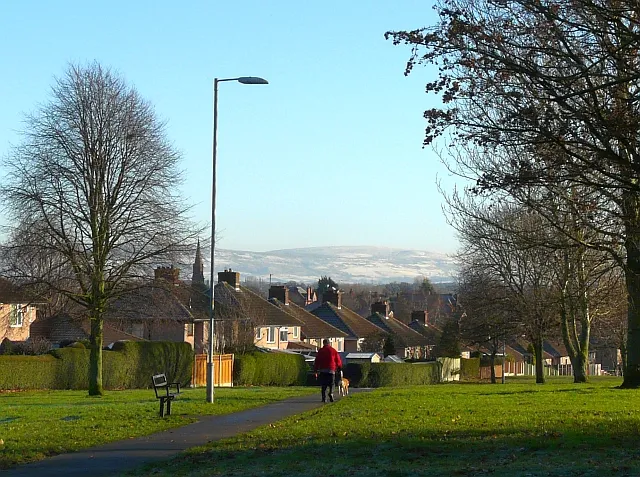
Photo: Rose and Trev Clough, CC BY-SA 2.0, via Wikimedia Commons
Every hillwalker has a list. Wainwrights, Munros, Marilyns, Nuttalls. And every list, however beloved, comes with a hidden cost: you stop walking places and start walking targets. The trig point becomes a tick box; the route becomes a means to an end.
So we tried the opposite. We picked a random six-figure grid reference somewhere on OS mapping of Great Britain, pointed the car at it, and went for a walk with no plan, no guidebook and no expectations.
How Grid Reference Roulette Works
The rules are simple enough for a family to follow:
- Generate a random six-figure grid reference (a quick spreadsheet or one of several free online tools will do it — just make sure it lands on land, not the North Sea).
- Plot it on OS Maps or the OS app.
- Walk to it by any reasonable route. The reference itself is the destination — no summit required.
- Whatever's there — a hill, a hollow, a hedge — is the point.
Think of it as geocaching's scruffier cousin, or orienteering without the clipboard.
Our Roll: Sheep, Silence and a Very Confused Tractor
Our number landed us in rolling farmland somewhere between two places we'd never heard of, on the edge of a national landscape that doesn't trouble many guidebooks. No trig point. No viewpoint bench. Just a gate, a footpath sign with attitude, and a field of extremely disinterested sheep.
And honestly? It was one of the better walks we've done this year. With no destination to chase, we noticed things. The old packhorse bridge. The buzzard that followed us for a mile. The fact that the kids — yes, this became a family outing by day two — stopped asking 'are we nearly there yet' because there was nowhere in particular.
The 'summit', when we reached the reference, was a slightly lumpier bit of field than its neighbours. We ate sandwiches on it anyway. The kids rated it nine out of ten. One point docked for mud.
When the Roll Goes Wrong
Let's not romanticise it entirely. Sometimes the dice deliver a grid reference in the middle of an arable field a mile from any right of way, and the honest answer is: don't go. A few ground rules keep this game legal and safe:
- Check access first. Use the OS map's rights of way layer. If your reference isn't reachable on footpaths, open access land or quiet lanes, roll again. No exceptions — trespassing on farmland isn't a quirky adventure, it's a problem for the farmer and for everyone who walks after you.
- Tell someone where you're going. Random means no one's heard of your destination. Leave a route plan.
- Mind the seasons. A random reference in the Cairngorms in February is a very different proposition to one in the Cotswolds in May. If the roll lands somewhere serious and you're not equipped for it, reroll.
- Have a bail-out. Know where the nearest road, station or bus stop is before you set off.
Why Novelty Beats List-Ticking (Sometimes)
I'm not about to burn my Wainwright guides. Lists give structure, motivation and a satisfying spreadsheet-shaped warm glow. But they also shrink Britain. You walk the same valleys, the same car parks, the same honey-pot paths, because that's where the list lives.
Roulette walking does the reverse: it makes the whole country fair game. It hands you a corner of Yorkshire or Powys or Perthshire you'd never have chosen, and says go and look at it. Some rolls will be dull. Some will be magic. That's rather the point — you don't get to know in advance.
For families especially, it's a winner. Kids don't care about Wainwright counts; they care about mud, bridges, animals and the sheer weirdness of going somewhere with no name. A random field with a story attached beats a famous summit with a queue.
So: pick a number, pack a flask, and see what Britain hands you. Worst case, you've had a walk in the countryside. Best case, you've found your new favourite place — and no list will ever claim it.