Don't Leave the Car Behind: Cracking the Point-to-Point Ridge Walk Puzzle
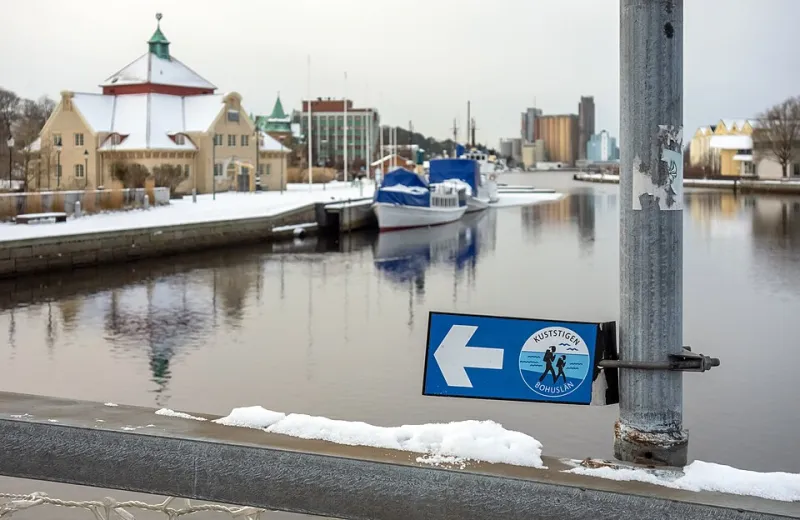
Photo: W.carter, CC BY-SA 4.0, via Wikimedia Commons
There's a reason you've walked the same circuitous routes up Pen y Fan and Ben Lomond a dozen times. It's not lack of ambition. It's the car.
Every great linear ridge walk in Britain ends somewhere other than where it starts. The classic ridgelines — the ones that demand a full day of committed scrambling and reward you with a horizon that never stops moving — simply can't be turned into a tidy loop. So we default to out-and-backs and horseshoe circuits, and the great linear traverses go unwalked.
It doesn't have to be this way. The logistics are solvable. Here's how.
Why Linear Beats a There-and-Back
Before the logistics, the why. Walking a ridge in one direction transforms the day. You're not doubling back over ground you've covered; you're on a one-way conveyor of views, with every col and top pulling you forward. The Mamore Traverse from Steall to Kinlochleven is a completely different proposition to dipping in and out of it. The Rhinogs' rough spine only makes sense as a journey through, not a there-and-back.
Linear routes also match effort to terrain. You descend tired legs on the gentle end rather than saving the steepest ground for when you're wrecked. That's not laziness — it's good route planning.
Option One: The Bike Drop
The simplest self-sufficient solution. Leave a bike at the finish point the evening before (or that morning), drive to the start, walk the ridge, then ride back to the car.
The maths only works if the ride-back is manageable. A 10km road ride after eight hours on the Mamores is grim; a 6km potter down a quiet lane after the South Shropshire Hills is almost pleasant. Look for finishing points near a B-road or railway path.
Practical notes: bring a decent lock and stash the bike somewhere genuinely discreet — behind a church, at a friendly farm (ask), or a known bike rack. A cheap second-hand hack is better than your good gravel bike. And check the route back before you commit; what looks like a lane on the map is sometimes a track that eats hybrid tyres.
Option Two: Buses and Trains (Yes, Really)
Britain's hill transport is patchy but better than its reputation, and some of the best ridgelines are served surprisingly well.
The classic example is the Snowdonia Sherpa'r Wyddfa network, which makes the Glyderau and Yr Wyddfa ridges trivially linear — park at Llanberis, bus to Pen-y-Pass, walk the ridge, walk or bus back. In the Lakes, the 78 and 555 corridors let you link Fairfield from Patterdale to Grasmere without a second car. In Scotland, the West Highland Line drops you at Corrour or Rannoch for high-level days that would otherwise need serious shuttle gymnastics.
The golden rule: check the last bus before you set off, then add an hour. Ridge walks overrun — that's their charm. A missed connection turns a great day into an expensive one.
Option Three: The Two-Car Shuffle, Done Properly
If you've got a willing partner in crime, the two-car method is bulletproof: leave car A at the finish, drive car B to the start, walk, then retrieve car B the next day or immediately if you've got two drivers who fancy a short shuttle.
Walking clubs and outdoor Facebook groups are quietly brilliant for this. Post your route and dates and you'll often find someone doing the reverse shuttle — they finish where you start. Offer fuel money and a flask of coffee. It's the hillwalking barter economy and it works.
The Routes That Earn the Faff
The Mamore Traverse (Scotland, ~11-13hrs): Steall to Kinlochleven over nine Munros including Na Gruagaichean and Binnein Mòr. Brutal, glorious, and genuinely linear. Logistics: bike drop at Kinlochleven is the move — the ride back over the Black Hill road is a proper leg-spinner, so save it for a rest day if you can.
The Rhinogydd Traverse (Wales, ~8-10hrs): Maesygwartha to Trawsfynydd (or split it). The Rhinogs' rock is ankle-breaking and pathless in places, which is exactly why the through-route feels like an expedition. Logistics: the Barmen to Traws bus links the ends loosely; a bike drop via the A470 is more reliable.
Fairfield Horseshoe Extended — Grasmere to Patterdale (Lake District, ~7hrs): Over Fairfield and down into Deepdale. Linear, high, and the 555 or a short bike shuffle solves the ends. Add St Sunday Crag if the legs allow.
The South Shropshire Hills — Corvedale Traverse (~5-6hrs): Caer Caradoc to the Brown Clee approach via Ragleth and the Long Mynd edges. Gentle by ridge-walk standards but a lovely one-way day. Church Stretton's railway station makes this one almost cheat-easy.
The Pre-Walk Checklist
- Confirm the last bus/train time and screenshot the timetable (signal on ridges is a lottery)
- Leave water and a snack in the retrieval car
- Tell someone your plan and your retrieval time
- Check whether your finish point has safe, legal parking — laybys get clamped, car parks lock
- Build 20% extra time into your walk estimate; ridges always take longer than the book says
The two-car shuffle will always involve a bit of faff. But the alternative — walking the same three summits on the same loop forever — is a far worse trade. Sort the transport, and a whole generation of ridgelines opens up.
Chase the traverse. The car will sort itself out.