Number 282 and Then Nothing: Life After the List Is Finished
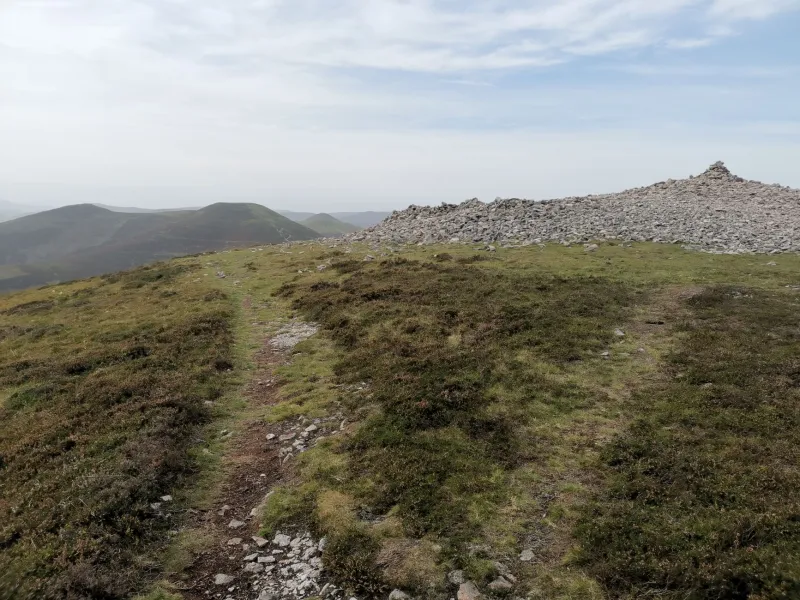
There's a photo every Munroist has seen. Someone at the top of a grey Scottish hill, holding a slate or a cake or a bottle of something peaty, grinning at the camera with the relieved exhaustion of a person who has just finished a very long homework assignment. Usually it's Ben Lomond or Ben Vorlich — the finishing hills are chosen for logistics, not grandeur. And usually, within a month, that same person is standing in their hallway staring at a wall map, wondering what on earth they do now.
Nobody warns you about the comedown. The round takes most people a decade or more. You organise your life around it — weekends north of the border, spreadsheets with colour-coded columns, a boot room that smells permanently of wet Gore-Tex. Then one Saturday in October you descend a modest hill near Loch Lomond, and it's over. The list is done. And the strange thing, the thing finishers whisper to each other, is that it doesn't feel like arrival. It feels like bereavement.
The Empty Spreadsheet Problem
"I cried on the summit, then went home and didn't walk properly for four months," says Helen, 54, a nurse from Sheffield who completed in 2019. "My partner kept saying, aren't you pleased? I was pleased. But every Saturday I'd wake up and there was this... hole. The hill had been the structure of my whole adult life."
Helen's story is far from unusual. The list gives you something rare in midlife: a clear, measurable goal with no deadline, no gatekeepers and no one to let down but yourself. Psychologists call it self-concordant motivation — goals that genuinely matter to you. Removing it overnight is a bigger shock than anyone expects. It's the marathon runner's post-race blues, except the race took eleven years.
Round Two, or a Different Game Entirely
So what do people actually do? Broadly, three paths.
The first is the obvious one: go again. Munroist numbers keep climbing, and a healthy proportion of them are people on their second or third round. "Round one was about completion," says Dev, 61, from Birmingham, who finished his second round last spring. "Round two is about something else entirely. I take the bad weather days now. I stop and look at things. Honestly, I was in too much of a rush the first time to enjoy it."
The second path is switching lists — Corbetts, Grahams, Donalds, the ever-expanding Deweys down south. This is the classic rebound relationship: familiar comfort, new faces. Some thrive on it. Others find the magic doesn't transfer, because the magic was never really in the hills. It was in the chase.
And the third path is the one nobody expects: quitting. Not hanging up the boots — most still walk weekly — but abandoning lists altogether. "I did the Wainwrights, then started the Corbetts, and about forty in I just thought, what am I doing?" says Pete, 47, from Bristol. "I'd stopped choosing hills I liked. I was choosing hills that were left. Now I go where the weather's good and the pub's decent. I'm fitter and happier than I was on the list."
So Was the Ticking the Point, or the Trap?
Here's the uncomfortable answer: it's both, and which one it is depends entirely on how honest you're being with yourself.
The ticking is the point when it gets you out the door on a wet February Tuesday, up a hill you'd never have visited otherwise, feeling something you can't get at your desk. Structure isn't a dirty word. For plenty of people, a list is the difference between an active outdoor life and a shelf of unread guidebooks.
It becomes the trap when the numbers stop serving the experience and start replacing it. You know it's happened when you're rushing off a beautiful summit to beat the car park charge, or skipping a ridge because it's not on the list, or feeling genuinely annoyed at a friend who wants to "waste" a day on a hill you've already done. The list is a compass, not a destination. When you start navigating by it alone, you're lost even while standing on the top.
The Advice From Those Who've Been There
Ask finishers what they'd tell their pre-completion selves, and the answers converge remarkably quickly. Don't schedule your finish hill for a grim day just because it's convenient. Don't start a new list for at least three months — let the dust settle before you commit. And for goodness' sake, mark the completion properly. A flask of something warm, a few mates on the summit, a night in the pub afterwards. Helen's one regret is that she finished alone on a drizzly Wednesday, told no one, and drove home.
Because here's the thing: the hills were never going anywhere. Ben Hope will still be there in five years, in ten, long after we've all hung up our boots. The list is a wonderful servant and a terrible master, and finishing it isn't the end of your hillwalking story — it's the moment you finally get to choose your own routes.
Chase summits, by all means. But make sure you're chasing them, not just counting them.